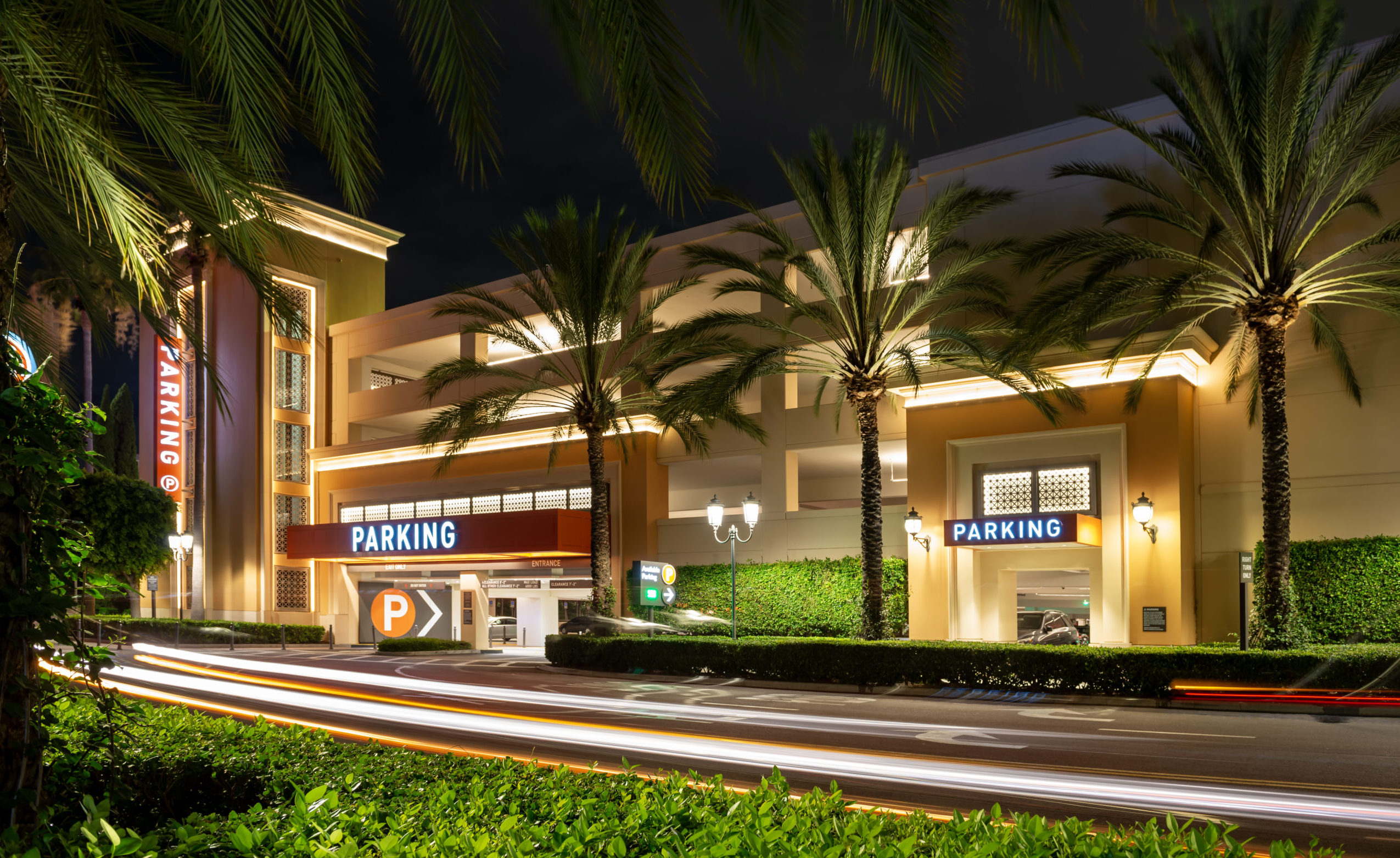
Real estate owners should be thinking about the arrival-through-departure experience through a different lens. Not just as a driver of the overall experience, but as a lever for new sources of revenue, efficiency and data. Historically, inside the building has been the focus of proptech investment, service excellence, and operational discipline. Now, the owners pulling ahead are extending that same rigor to everything that happens before a guest, resident, employee, or tenant walks through the door, and everything that happens on the way out.
The arrival-through-departure experience, encompassing parking, access, wayfinding, mobility, payment, and departure, is not a new concept. What is new is the recognition that the experience is not just an operational function. It is a revenue driver, a brand signal, and an asset performance lever with measurable impact on NOI, tenant retention, and long-term property value.
The data behind that recognition is becoming harder to ignore.
What Friction at Arrival Actually Costs
The connection between the arrival experience and financial performance is more direct than most owners have historically accounted for. Consider what happens when that experience runs well: customers arrive without confusion, access a convenient parking space without delay, and reach their destination quickly and without frustration. That frictionless start influences how long they stay, how much they spend, and whether they return.
Dwell time is not a soft metric. Research consistently shows that time spent at a destination is one of the strongest predictors of spend per visit. In retail environments, the difference between a smooth arrival and a frustrating one can mean the difference between a 45-minute visit and a two-hour one. In multifamily and office assets, the quality of the daily arrival experience influences how residents and employees feel about the property itself, which shapes renewal behavior and retention rates.
The math connects directly to the P&L. Higher dwell times can drive more spend at retail and mixed-use properties. Stronger tenant sales performance supports lease retention, renewals, and rent premium. Lower friction in the daily experience translates into lower complaint volume, fewer operational escalations, and a brand reputation that supports occupancy. Each of these outcomes has a line item. Together they compound into a meaningful contributor to NOI.
The inverse is equally true. A parking experience that consistently frustrates visitors sends a signal about the asset before they ever enter it. That signal accumulates over time, and it shows up in tenant conversations, online reviews, and ultimately in the performance metrics that define what an asset is worth.
The Three Levers the Best Operators Are Pulling
Across retail centers, mixed-use developments, multifamily communities, corporate campuses, healthcare facilities, and hospitality assets, the owners and operators capturing the most value from the arrival-through-departure experience are generally pulling three levers in combination.
Technology that connects the full journey. The most significant operational shift is the move from point solutions to integrated platforms. When guidance, access control, payment, and revenue optimization operate from a single data layer rather than through disconnected vendors, the operation becomes fundamentally more responsive, and more efficient. Pricing adjusts to real demand. Occupancy is visible in real time. Maintenance needs surface before they affect the guest. And owners gain a consolidated view across every location rather than managing multiple dashboards that never reconcile.
A service layer that matches the technology. Technology sets the groundwork, but the customer experience is still shaped by how that technology gets deployed. The operations that perform at the highest level are deliberate about matching their approach to what an environment calls for, from mobile credentialing and license-plate recognition to a front-line team steps in when they are needed. Consistency of experience across every touchpoint, from the first interaction to the final departure, is what converts a single visit into a return visit.
Data used for decisions, not just reporting. A well-instrumented arrival-through-departure operation runs on technology with a foundation of data, generating actionable intelligence: utilization, demand patterns, compliance, revenue trends, and guest experience signals. Owners using this data well make stronger capital and capacity decisions, use proximity data, like which tenants and customers park closest to a property, to price premium spaces and rents, and manage their portfolios from evidence, not intuition.
What the Results Look Like in Practice
The performance outcomes Towne delivers through a fully integrated arrival-through-departure operation are concrete and measurable across every asset class.
In mixed-use and retail environments, optimized parking and guidance technology has produced revenue increases of 30% or more at individual assets, with operating cost reductions exceeding 50% in some cases. The combination of frictionless access and real-time wayfinding consistently reduces the time guests spend searching for a space, which directly extends time spent at the destination.
In revenue optimization scenarios, dynamic pricing enabled by integrated demand data has produced dramatic yield improvements. At one coastal parking portfolio, a move to technology-enabled dynamic pricing generated a 95% increase in revenue and an implied asset value increase of approximately $9.6 million. The physical asset did not change. The operational intelligence behind it did.
In multifamily and residential assets, integrated mobility management has delivered monthly revenue uplifts of $20,000 or more at individual properties, alongside a 94% reduction in safety incidents. The combination of improved revenue and reduced operational complexity is straightforward to underwrite and easy to demonstrate to prospective tenants.
In live events and high-traffic environments, full payment compliance and valet revenue growth have both been achieved through integrated enforcement and payment technology. The operational consistency that integrated technology enables at scale is difficult to replicate through manual processes or disconnected vendor relationships.
The Trend That Is Reshaping How Owners Think About These Assets
What is changing in real estate is how owners should think about the arrival-through-departure experience as a managed asset, not an operational afterthought.
The owners who have made that shift are asking different questions. Not whether guests are able to find their way in, but whether the experience of doing so is reinforcing the brand or eroding it. Not whether utilization data is being collected, but whether it is informing the decisions that determine how the asset grows.
Those questions are the same ones good operators ask about every other dimension of the portfolio. Given what the data shows about its impact on NOI, tenant performance, and asset value, it is increasingly difficult to justify treating it any other way.
The Opportunity in the Gap
The gap between the best-performing arrival-through-departure operations and the average one is measurable in revenue, in guest satisfaction, in tenant retention, and in the capital efficiency of the decisions being made about the asset. That gap is also closable, and Towne is built to close it. The technology, the operational expertise, and the integrated approach to managing the full journey already exist inside one platform, deployed at scale across more than 1,900 properties nationwide.
Closing that gap takes guidance, access control, payment, and revenue optimization operating on one connected platform with the data behind every interaction feeding back into the operating decisions. That is the model Towne was built to deliver, and it is why owners increasingly look to partner with Towne not for a piece of the experience, but for the entirety of it.
For owners evaluating where the next meaningful opportunity for NOI growth sits in their portfolio, the arrival-through-departure experience is increasingly the answer. It is high-frequency, data-rich, directly connected to the financial outcomes that define asset performance, and in most portfolios, still operating well below its potential.
The most competitive real estate operators are not waiting for the arrival experience to become a problem before they address it. They are managing it with the same strategic discipline they bring to every other part of the asset, and they are seeing it in their numbers.
To explore what a fully integrated arrival-through-departure operation could deliver for your asset, visit towne.com.